September 26, 2024
 2 min
2 min 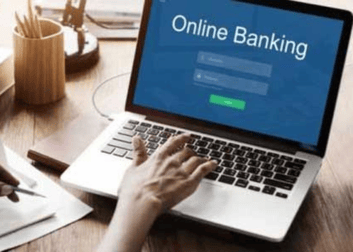
HOW TO PRACTICE SAFE E-BANKING?
With the introduction of internet banking, banking procedures like money transactions, bill payment, and fund transfer are made convenient and quick. Users no more have to stand in queues outside banks, instead, they can carry out all the banking procedures with few clicks. However, internet banking services come with added security risks. They are prone to the risk of phishing and leakage of confidential data. In order to practice safe online banking, a user should acknowledge some basic banking tips to avoid risks.
PASSWORD SECURITY
As a first-time user, a login and transaction password has been provided by the bank. It is highly recommended to change that password to ensure account safety. Further, a strong password should be set as well as should be changed regularly. The set password should always be kept confidential.
AVOID USING PUBLIC DEVICES
User should not use public devices at hotels, cyber cafes, etc to login into his/her bank account. Their security cannot be trusted and the passwords can be easily traced. In case of emergency when its urgent to login in public devices, make sure to clear the browsing history, cache, temporary files from the system to erase the track of transactions. Whenever the browser asks for remembering password or ID, selected ‘no’.
KEEP YOUR DETAILS CONFIDENTIAL
No bank asks for a user’s bank account details via phone call or email. Be aware of such fraud calls requesting access to your bank details. Login ID and password should be used only on authentic bank site which is secured and risk protected. The URL should contain ‘https://’ before the domain which ensures that the website is safe.
REGULAR CHECK ON SAVING ACCOUNT
After processing any transaction, it is advised to check the account’s status to check whether an apt amount has been deducted or not. In case of doubt or error, contact the bank authorities.
USE LICENSED ANTI-VIRUS SOFTWARES
It is necessary to ensure that your computer is installed with the latest and licensed anti-virus software. Some anti-virus may be available for free but they might not be capable of securing your personal data. Hence, it is recommended to regularly update your anti-virus so that your confidential data is secured.